
The Body That Cried Wolf
DR SHAADY HARRISON | 3 minutes
It’s the sound that makes any doctor stop in their tracks.
The little red bleep you’ve been carrying around all day hoping will stay silent suddenly goes off.
“CARDIAC ARREST – WILLOW WARD”.
Somewhere in the hospital, maybe a couple of flights of stairs and a few hundred metres away, someone’s heart has just stopped.
As medical scenarios go, this is about as time-sensitive as it gets. Every emergency is urgent but most are measured in minutes or hours.
This one’s measured in seconds.
And yet, there’s a golden rule for getting there - you move fast, but don’t run.
Because it’s not just about how quickly you arrive at the bedside, it’s about what you can do when you get there.
The Emergency Setting
When we rush, it triggers a cascade of stress hormones through the body. Adrenaline courses through the bloodstream, activating the body's oldest emergency setting: heart rate up, breathing shallow, muscles primed to move.
In other words, the nervous system has just been put into crisis mode.
This stress response is incredibly useful; it sharpens the senses, mobilises energy and prepares the body to act.
But a cardiac arrest also calls for a clear head – arriving stressed, sweaty and out of breath isn’t going to do anyone any favours.
Most of us aren’t responding to emergencies on a daily basis, but are living in a world that’s conditioned us to behave like we are. We rush between meetings, speed through emails and hurry from one task to the next, repeatedly hitting the accelerator pedal like we’re racing against a permanently ticking clock somewhere.
But there’s a hidden cost to moving through life at breakneck speed.
When we constantly tell the body there’s a reason to run, the brain eventually starts believing it too.
Rushing is Expensive
The brain continuously scans the body for clues about what’s happening in the world. And when it comes to figuring out the lay of the land, shallow breathing, tense shoulders and repeated spikes of adrenaline don’t exactly act as neutral information.
They’re a steady stream of evidence that something might be wrong.
When the body sends physical cues of threat, the brain gets to work diligently building a case for it.
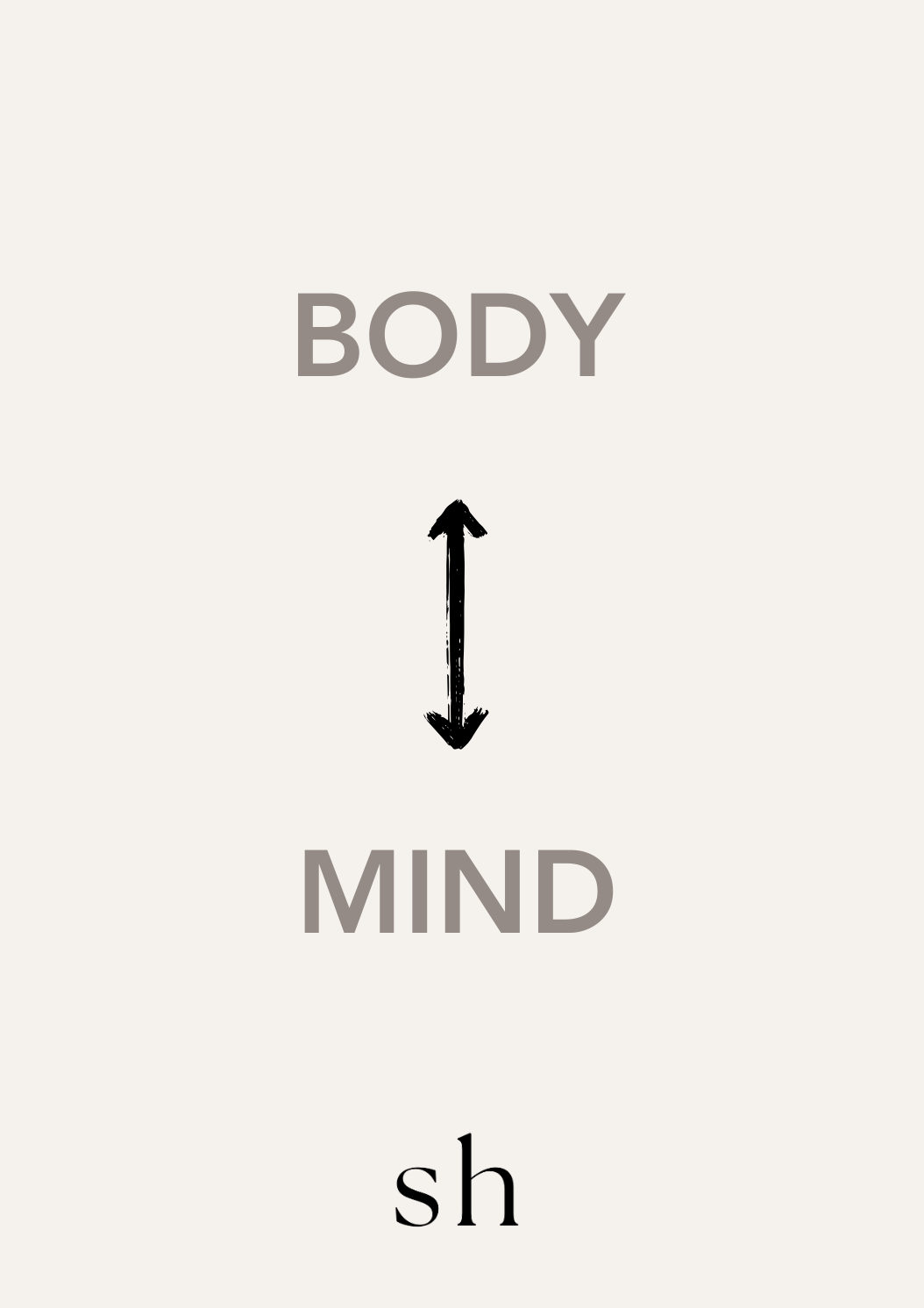
The more we rush through the day, the more the mind searches for a problem to explain it. This can lead to more anxious thinking, reactive choices and a growing sense that trouble is just around the corner.
As time-saving measures go, rushing works.
But as a long-term strategy, it has a nasty habit of backfiring.
No Sirens Required
Stress gets a bad rap. A life with nothing at stake would be flat, unfulfilling and quite frankly, rather dull.
But there’s a time and a place for summoning the body’s emergency services.
Cutting down on micro-moments of urgency throughout the day sends a message to the mind that all is well.
And when the body stops preparing for a fire, the brain stops looking for one too.
-
Mechanisms of stress in the brain. McEwen, B. S., et al. (2015). Nature Neuroscience, 18, 1353–1363.
Visceral influences on brain and behavior. Critchley, H. D., & Harrison, N. A. (2013). Neuron, 77(4), 624–638.
Interoceptive predictions in the brain. Barrett, L. F., & Simmons, W. K. (2015). Nature Reviews Neuroscience, 16(7), 419–429.
Enjoy this article?
Absolutely no spam. Ever.

About The Author
Shaady Harrison is a British medical doctor, writer and private advisor specialising in the intersection of psychology, calm and performance.