
The Two Truths
DR SHAADY HARRISON | 3 minutes
She was different to the rest of them.
Sitting in the waiting room with perfectly applied mascara and a coffee in hand, she was casually scrolling her phone like she was waiting for a dentist appointment.
But appearances can be misleading.
Forty-three years old with stage three breast cancer – the road ahead wasn’t pretty.
But something about this lady was different. She’d walk into appointments calm and composed, settling into the chair like someone who knew exactly what she was dealing with. When asked how she was doing, she’d tell us – nausea, exhaustion, hair loss, all of it was miserable.
But they were also clear confirmation the chemotherapy was doing its job.
While other patients were bracing for the worst, she’d spent the last two months seeing friends, booking holidays, and being happy.
In other words, she’d just given us a masterclass in the power of reframing.
Seeing Things Differently
Cognitive reframing isn’t about denial, forced optimism, or toxic positivity. There’s a time and place for everything, and not everything needs a silver lining.
But it’s true that the same situation – a failed exam, a rejection, a diagnosis – produces wildly different emotions in different people.
Why?
Because what happens to us matters less than how we interpret it.
This idea sits at the heart of cognitive behavioural therapy – one of the most widely used psychological treatments in the world. CBT rests on a deceptively simple concept.
We can change how we think about things.
Some people are better at this than others. Psychologically resilient people show stronger prefrontal activation under stress – in other words, their brains are just better at finding a different way of looking at things.
But reframing is a skill, not a personality trait – which raises an obvious question.
Can the rest of us get better at it?
The Stories We Tell
Many of the things we complain about are privileges masquerading as problems. This isn’t actually our fault – it comes down to how we’re wired.
Humans are expertly trained problem-detection machines. We evolved to anticipate risk and scan for threat, not optimise for happiness by counting blessings.
Our brains don’t passively receive reality – they actively create it. They take pieces of information, fill in the blanks, and package it together into a neat, believable story.
That story then changes how we feel about what’s happening to us.
Unfortunately for us, these stories are heavily biased toward the negative. But there’s almost always more than one way of looking at things.
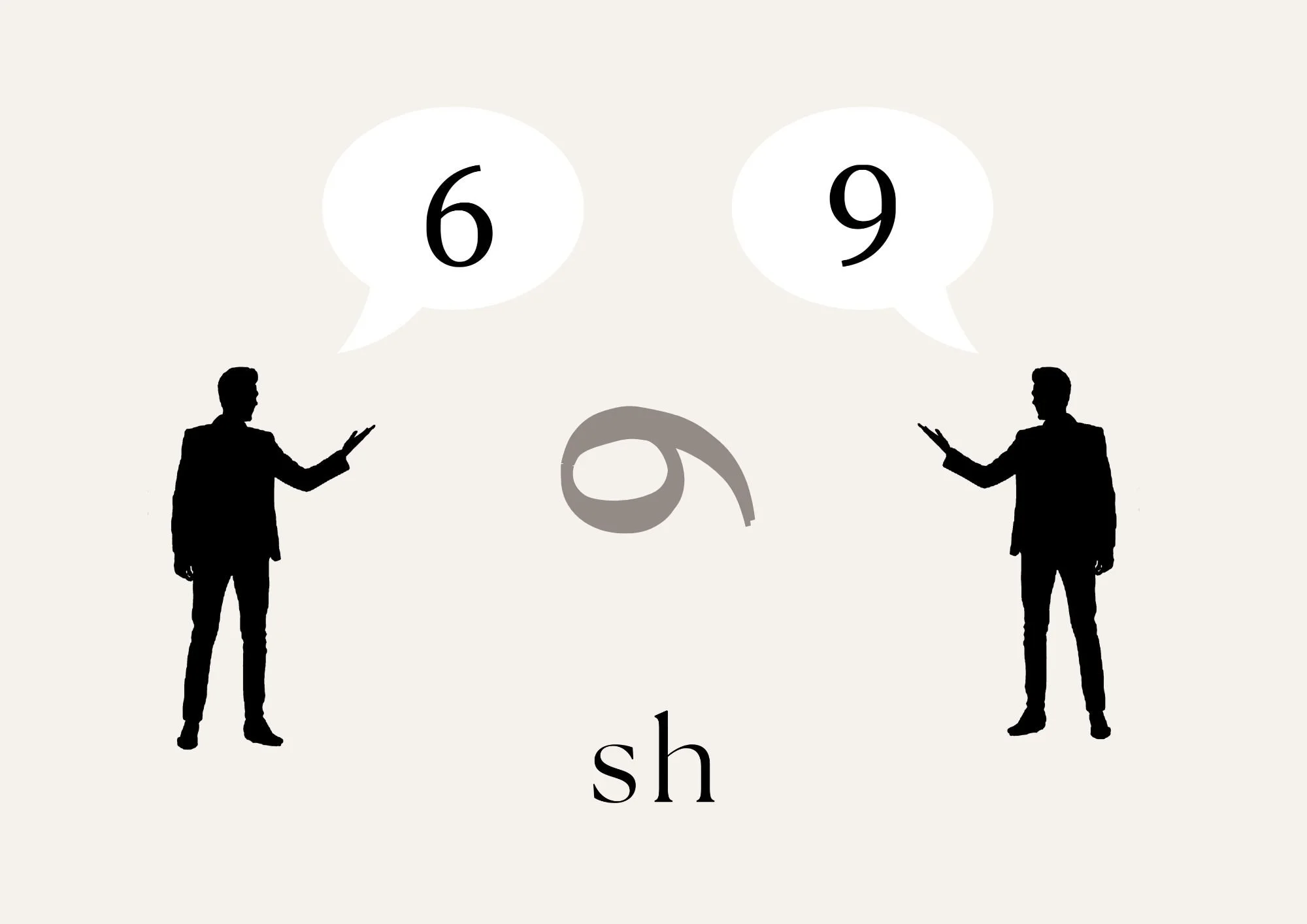
The stories we tell ourselves change our perception of reality, and our perception of reality in turn shapes how we act within it.
People who believe they’re winning move through life differently to those who believe they’re not.
Over time, this mindset impacts everything from the decisions we make to the opportunities we go after.
Training Your Brain
Not every difficult moment needs to be rebranded as an opportunity. Some life events are painful, unfair and devastatingly hard. They shouldn’t be treated otherwise.
But the science of reframing is hard to ignore.
How we interpret past experiences changes how we approach future ones.
Thankfully, the brain systems involved in reframing are trainable. The habit of reaching for a less negative interpretation becomes easier the more we practice it. Often it’s as simple as questioning whether there’s a more positive way of framing something difficult that’s happening to us.
Repeated often enough, this mental habit gradually becomes second nature. Over time, this translates into a calmer and happier nervous system.
As habits go, this one’s worth paying attention to.
The stories running through our heads matter more than we realise. Our brains are wired to tell us our lives are full of setbacks, problems and things going wrong.
We don’t always have to take their word for it.
-
Rethinking Feelings: An fMRI Study of the Cognitive Regulation of Emotion. Ochsner, K. N., Bunge, S. A., Gross, J. J., Gabrieli, J. D. E., 2002, Journal of Cognitive Neuroscience, 14(8), 1215–1229.
Individual Differences in Cognitive Reappraisal Predict the Regulation of Emotional Experience and Physiology. Urry, H. L., Nitschke, J. B., Gotlib, I. H., 2006, Journal of Neuroscience, 26(16), 4415–4423.
Cognitive Control of Emotion. Ochsner, K. N., Gross, J. J., 2005, Trends in Cognitive Sciences, 9(5), 242–249.
Enjoy this article?
Absolutely no spam. Ever.

About The Author
Shaady Harrison is a British medical doctor, writer and private advisor specialising in the intersection of psychology, calm and performance.