
Why You Should Meditate
DR SHAADY HARRISON | 3 minutes
It’s 8:30 on a rainy Monday morning.
Eighty medical students are pouring into a huge room on the top floor of a building near London Bridge station.
It’s quiet.
The atmosphere is different up here.
Lying in complete stillness on metal tables evenly spaced around the room are ten people who have one important thing in common – they’ve all donated their bodies to medical science.
We’re about an hour into the session now. As I reach inside the skull and gently lift out the brain, the enormity of this moment is almost too much for my own brain to make sense of. Every thought and feeling this fellow human experienced came down to this cold, firm mass I’m now holding in my hands.
Three pounds. 1.36kg.
Every success, every failure – all of it driven by the 2% of our body weight sitting inside our skulls. The ability to have great ideas, build a strong body, handle stress, manage relationships, do good. It all comes down to our brains.
And yet we invest strangely little time in making it work better.
Most of us are so preoccupied with the next thing we need to do that we barely even register the endless stream of thoughts and worries consuming our minds during the course of a day.
Late To The Party
In recent years, meditation has been sweeping the West. Everyone from CEOs to US Navy SEALs boasts of the power of mindfulness.
If like me, you’re not the type to spend time diligently cleansing your aura or aligning your chakras, you may have been quietly watching from a distance, reluctant to pay attention to the fuss around what seems like yet another self-help fad.
I have a scientific mind. Just hearing the word meditation sparks an involuntary eye roll somewhere deep inside me – it sounds too spiritual, too mysterious, too much like nonsense.
A tidal wave of scientific research over the last two decades has proved me wrong.
Unlocking Better Outcomes
Meditation is often framed as a pathway to calm. That’s true, but its impact runs deeper than a quieter mind. Ten minutes a day of consistent practice can create measurable changes across your brain, biology, and performance.
Your Brain
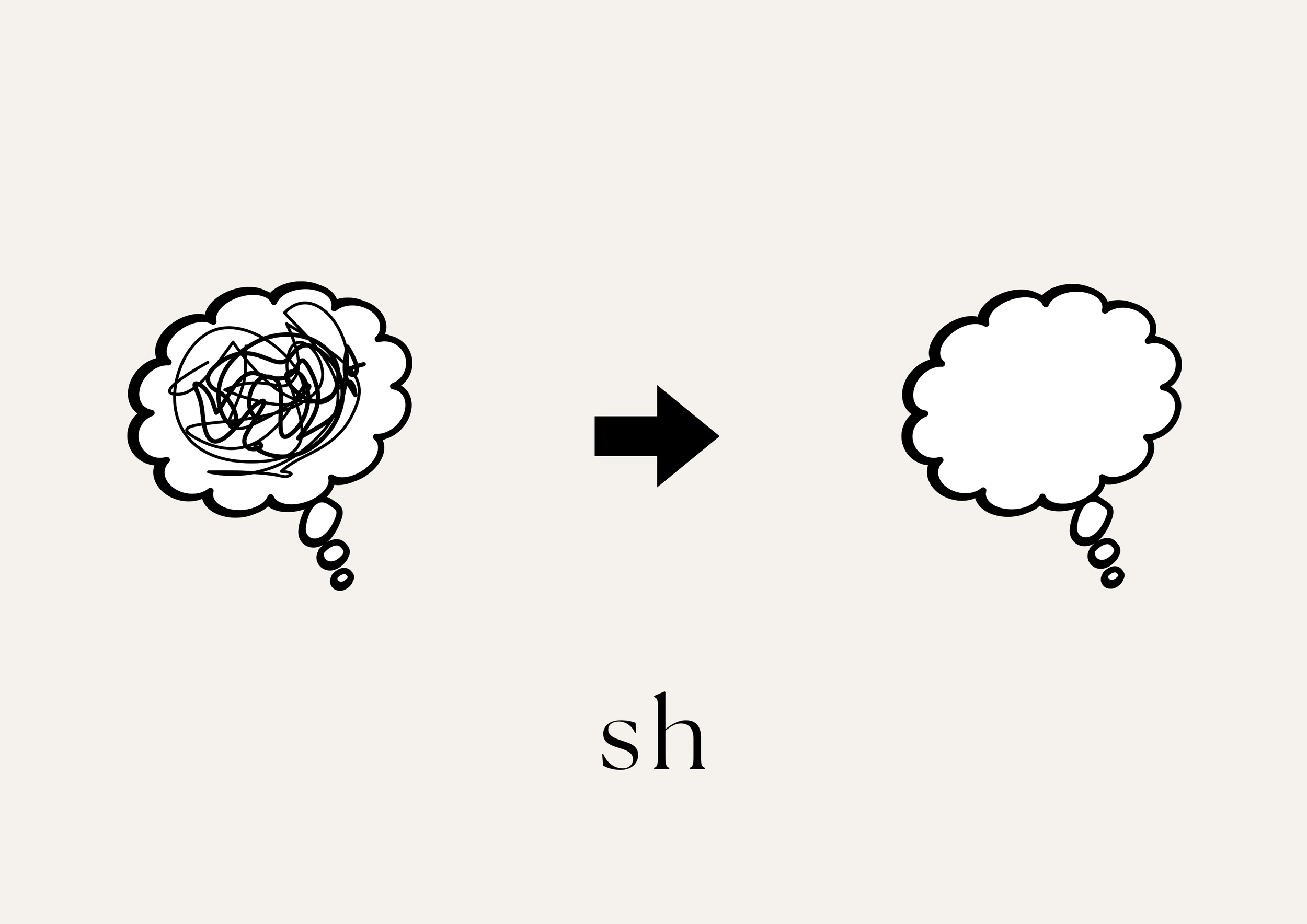
The brains of people who meditate actually look different on a brain scan. With regular practice, the areas linked to attention, emotional regulation, and self-awareness thicken, while regions fuelling stress and reactivity quieten.
Over time, it feels like someone turned the volume dial down on anxiety.
Your Body
Your brain and body are interconnected. Meditation lowers baseline stress hormones, steadies your heart rate, improves sleep quality, and strengthens your immune health. In other words, your body calms down in exactly the same way your mind does.
Your Work
You can’t access your best thinking when your brain is in survival mode. Slowing down interrupts the noise long enough for sharper insights to surface.
Our greatest ideas rarely appear when our minds are overloaded.
The Bottom Line
Most of us have dozens of mental tabs silently blinking in the background before we’ve even left the house in the morning. Left unchecked, they quietly drain the system we rely on to think clearly and act intentionally.
Every outcome in your life is defined by your brain. Consider investing ten minutes a day in unlocking a better one.
-
Improving creativity performance by short-term meditation. Ding, X., Tang, Y. Y., Tang, R., & Posner, M. I. (2014). Behavioral and Brain Functions, 10(1), 1–8.
Mindfulness practice leads to increases in regional brain grey matter density. Hölzel, B. K., Carmody, J., Vangel, M., Congleton, C., Yerramsetti, S. M., Gard, T., & Lazar, S. W. (2011). Psychiatry Research: Neuroimaging, 191(1), 36–43.
A wandering mind is an unhappy mind. Killingsworth, M. A., & Gilbert, D. T. (2010). Science, 330(6006), 932.
Enjoy this article?
Absolutely no spam. Ever.

About The Author
Shaady Harrison is a British medical doctor, writer and private advisor specialising in the intersection of psychology, calm and performance.